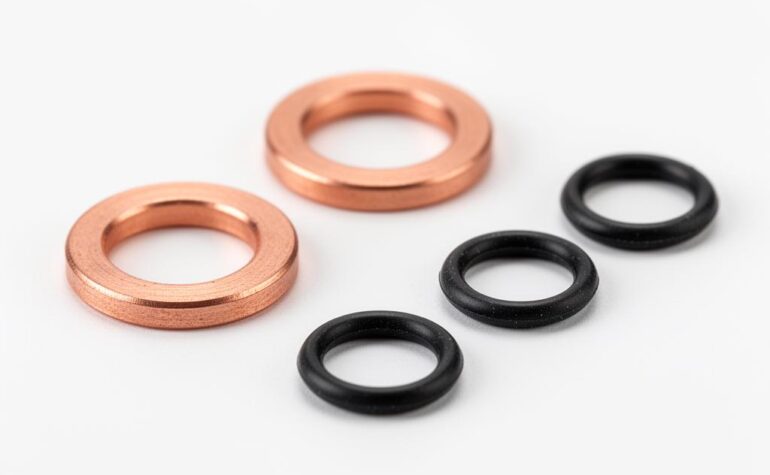
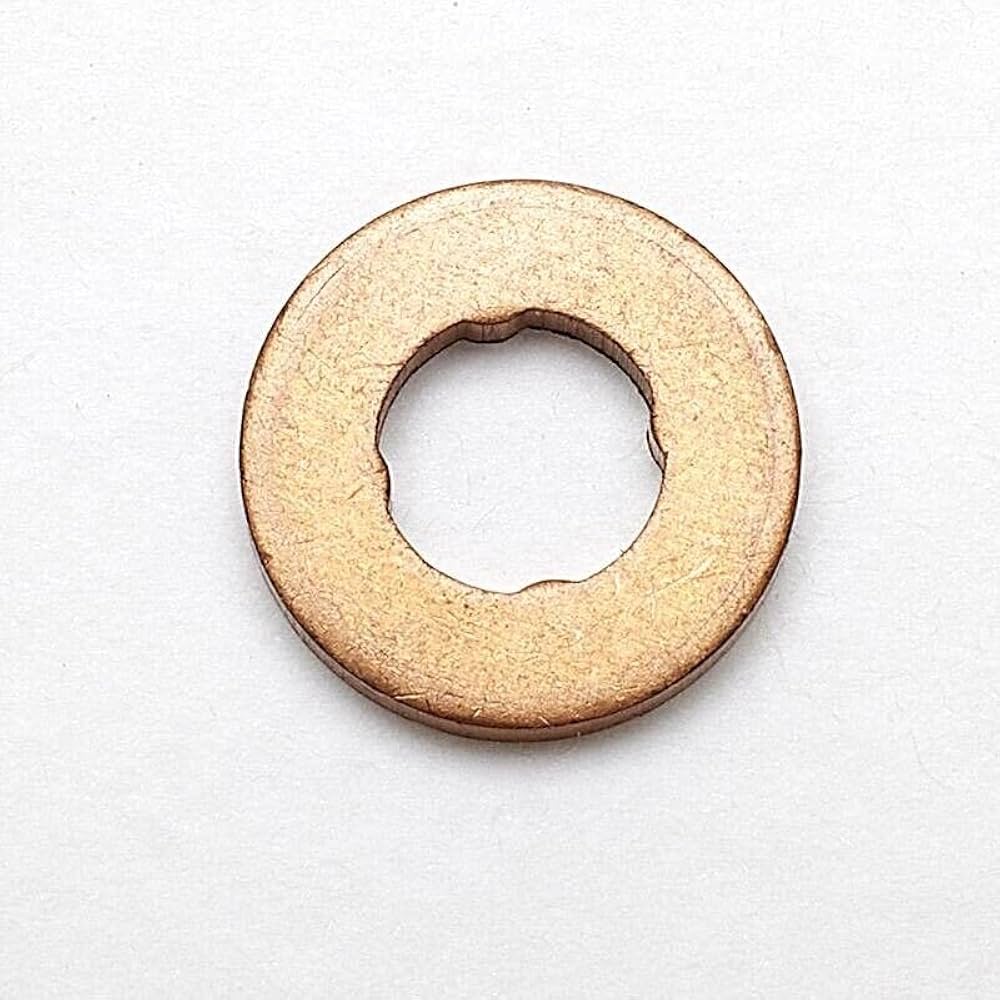
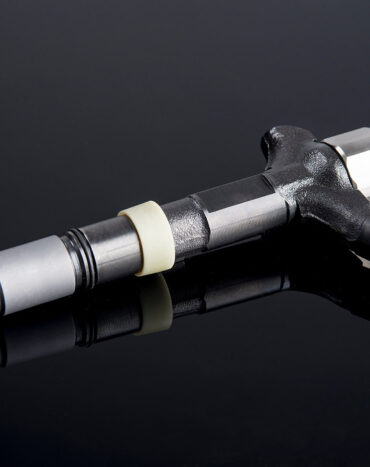
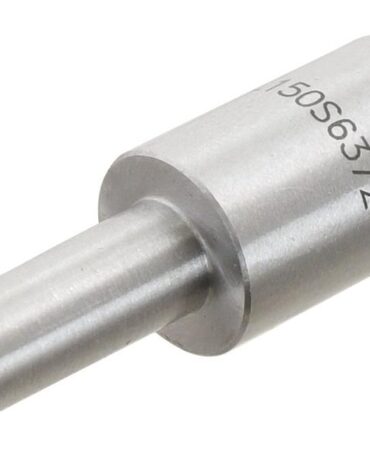
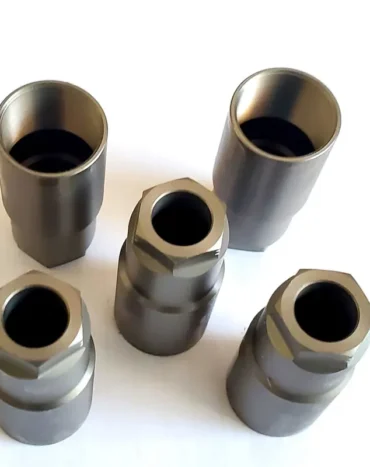
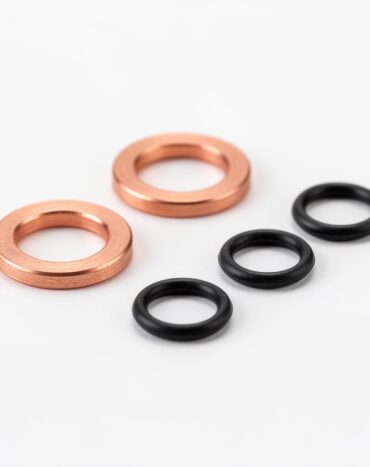
An injector washer is a small sealing component used in automotive engines to ensure a tight seal between the fuel injector and the cylinder head. It prevents combustion gases and fuel leaks, helping maintain engine efficiency and preventing damage to injector seats.
Injector washers act as critical seals that maintain compression integrity. In diesel engines, they prevent exhaust gases from escaping past injector nozzles. A poor seal can lead to black carbon buildup (“blow-by”), injector seat erosion, and power loss. Proper torque and washer condition are essential for maintaining fuel efficiency and smooth engine operation.
Most injector washers are made of annealed copper for its malleability and heat conductivity, though some engines use aluminum or multi-layer steel variants. The washer is designed to deform slightly under tightening pressure, conforming to microscopic surface irregularities for a gas-tight seal.
Whenever an injector is removed, the washer should be replaced with a new one to ensure sealing performance. The injector seat in the cylinder head must also be cleaned before installation. Failure to replace or correctly install washers can lead to combustion leakage, increased noise, and possible injector or engine damage.
Signs of a faulty injector washer include hissing noises from the injector area, black carbon deposits around injectors, reduced engine performance, and diesel odor in the cabin. Prompt inspection and replacement prevent costly repairs and maintain proper engine function.